
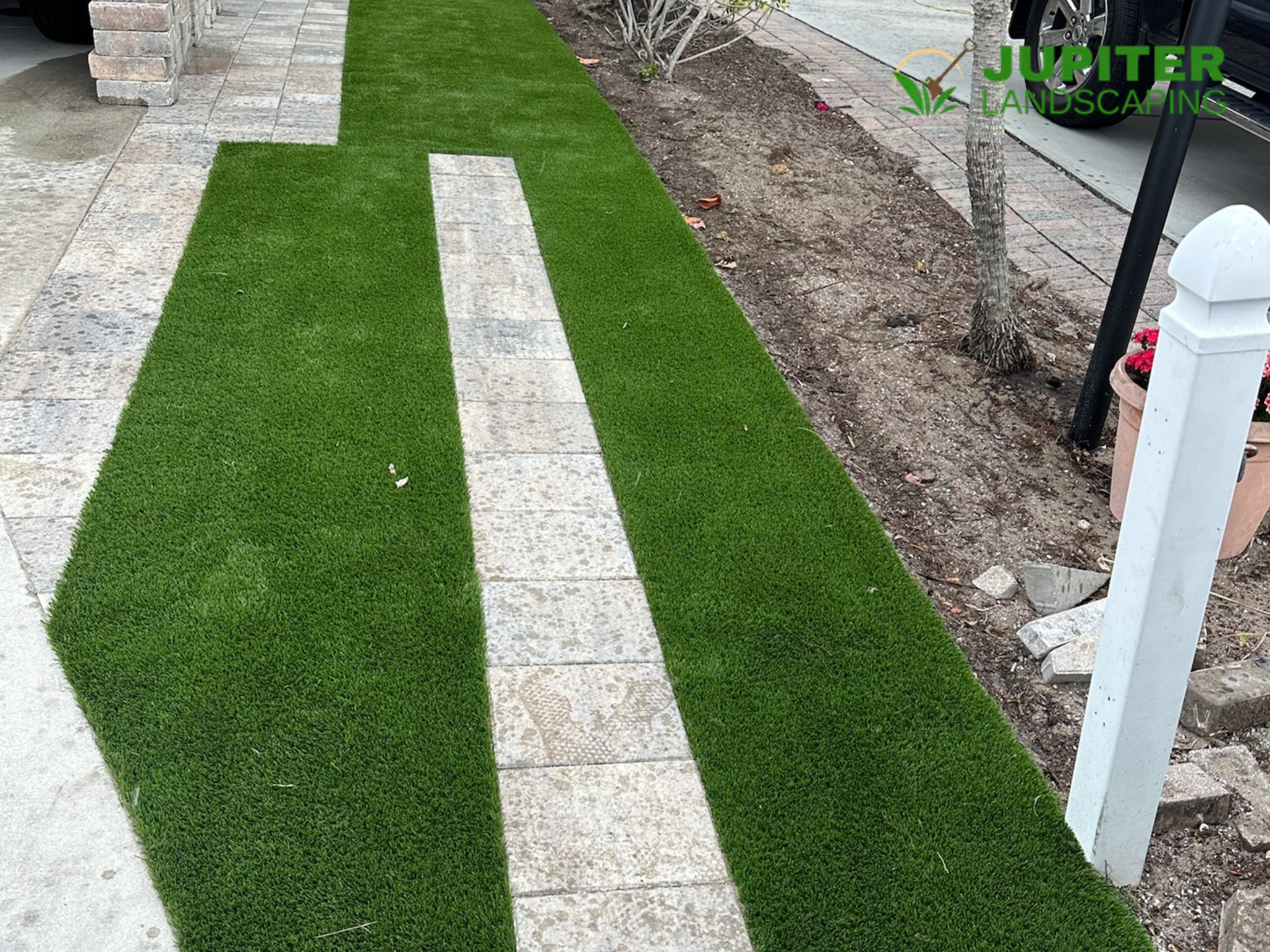
How to Choose the Best Drought Tolerant Plants for Fort Lauderdale Landscaping
A landscaping project is the planning and design of outdoor spaces using plants and materials that can thrive in South Florida’s heat, humidity, sandy soil, and seasonal dry conditions. Choosing drought-tolerant plants is essential because they reduce water lower maintenance demands, and create landscapes that stay healthy and attractive year-round in Fort Lauderdale’s climate.
Why Drought-Tolerant Landscaping Is Important in Fort Lauderdale
Fort Lauderdale experiences long periods of heat, high humidity, and intense sun exposure. While seasonal rain can be heavy at times, dry spells are common and can quickly stress landscapes that depend on frequent watering.
Sandy soil drains moisture rapidly, which makes traditional landscaping difficult to maintain. Many properties struggle with thinning lawns, declining plant health, and rising water costs when plant choices do not match local conditions.
Drought-tolerant landscaping works with the environment instead of fighting it. This approach is especially beneficial for commercial properties that need consistent curb appeal without constant upkeep.
A Real-Life Fort Lauderdale Landscaping Example
A business owner managing a mid-sized office property in Fort Lauderdale noticed that their landscape was becoming more expensive to maintain each year. Grass areas required constant watering, shrubs were frequently replaced and irrigation systems ran almost daily just to keep plants alive.
After consulting with Jupiter Landscaping, the property owner decided to redesign the outdoor space using drought-tolerant plants. Native shrubs replaced high-water ground covers, which were installed to reduce exposed soil and shade trees were added to lower surface temperatures.
Within the first year water usage dropped significantly. Plant health improved and maintenance visits were reduced. Even during dry periods the property continued to look full and well maintained.
This type of result is common when landscaping decisions are based on local climate knowledge rather than appearance alone.
5 Key Elements of Drought Tolerant Landscaping in Fort Lauderdale
1. Climate Ready Plant Selection
Plants that are native or Florida friendly are naturally adapted to local heat, rainfall patterns, and soil conditions. These plants establish deeper root systems and recover more quickly from dry periods.
2. Efficient Water Use
Drought tolerant landscapes rely on
smart irrigation practices rather than frequent watering. This includes drip irrigation, controlled schedules, and grouping plants with similar water needs.
3. Soil Preparation
Sandy soil benefits from added organic material. Improving soil structure helps retain moisture while still allowing proper drainage during rainy months.
4. Strategic Shade and Placement
Shade trees and thoughtful plant placement reduce heat stress on soil and surrounding plants. This helps lower evaporation and supports healthier growth.
5. Reduced Turf Areas
Limiting traditional grass areas reduces water usage and maintenance demands. Ground covers and planting beds often perform better in hot, humid conditions.
Best Drought Tolerant Plants for Landscaping in Fort Lauderdale, FL
Property owners focused on
landscaping Fort Lauderdale FLspaces see the best long term results when they choose plants proven to thrive locally.
Native and Florida Friendly Plants
- Coontie palm
- Firebush
- Simpson stopper
- Beautyberry
- Saw palmetto
These plants require minimal irrigation once established and handle heat well.
Shrubs and Ground Covers
- Dwarf yaupon holly
- Liriope
- Beach sunflower
- Perennial peanut
These options help protect soil, reduce erosion, and maintain a clean, professional appearance.
Trees That Thrive in Heat
- Live oak
- Gumbo limbo
- Buttonwood
- Southern magnolia
Trees provide shade, improve comfort, and protect surrounding plants from heat stress.
Flowering Plants That Handle Humidity
- Pentas
- Blanket flower
- Coreopsis
- Tickseed
These plants provide color without high water demand.
Steps to Design a Low-Maintenance Garden That Thrives in Heat and Humidity
Step 1: Group Plants by Water Needs
Grouping plants with similar irrigation requirements prevents overwatering and supports healthy growth.
Step 2: Use Mulch Consistently
Mulch helps retain moisture, suppress weeds, and regulate soil temperature during hot months.
Step 3: Improve Soil Gradually
Adding compost improves sandy soil structure and nutrient availability without compromising drainage.
Step 4: Install Smart Irrigation
Drip irrigation and weather-based controllers reduce water waste and support drought-tolerant designs.
Many property owners searching for a
landscaper Fort Lauderdale FLrely on professionals who understand how these steps work together long term.
Best Time of Year to Plant Grass for Healthy Growth
When to Plant
Late spring through early summer is the ideal time to plant grass. Warm soil temperatures support strong root development and align with natural rainfall patterns.
Grass Types That Perform Well
- St Augustine grass
- Zoysia grass
- Bahia grass for lower maintenance areas.
Establishment Tips
- Prepare soil thoroughly before planting
- Avoid winter planting when growth slows
- Maintain consistent watering during early growth
Planting grass at the right time improves durability and reduces future maintenance.
Common Mistakes to Avoid in Drought Tolerant Landscaping
choosing plants that are not suited to coastal conditions, which can lead to poor growth and frequent replacement. Overwatering drought-tolerant plants is another issue, as it weakens roots and encourages disease rather than improving plant health. Ignoring sun and shade patterns can result in stressed plants that struggle to thrive in the wrong exposure, while planting grass outside the ideal season often leads to patchy growth and higher water use. Avoiding these mistakes helps landscapes remain healthy, resilient, and cost-effective over time.
Why Professional Guidance Matters
When property owners search for a landscaping company near me, they are often looking for solutions that last. Professional planning ensures plant selection, layout, and irrigation work together properly.
Jupiter Landscaping helps property owners design landscapes that match Fort Lauderdale’s climate while reducing water usage and maintenance demands.
Ready to Improve Your Landscape
If you want a landscape that stays healthy, reduces water usage, and looks professional year-round,
Fort Llauderdale landscaping can help. Their team understands how to design drought-tolerant landscapes that work with South Florida conditions.
Contact Jupiter Landscaping today to schedule a consultation and take the first step toward a smarter, more sustainable landscape.
Frequently Asked Questions About Fort Lauderdale Landscaping
What are the best drought tolerant plants for Fort Lauderdale
Native plants such as coontie, firebush, and beach sunflower require minimal watering once established
Can drought-tolerant landscaping still look lush
Yes thoughtful spacing, layering, and plant selection create full, vibrant landscapes.
How often should drought-tolerant plants be watered
Most only need watering during establishment and extended dry periods.
Is sod or seed better for Fort Lauderdale lawns
Sod is usually preferred because it establishes faster and reduces weed issues.
Does drought-tolerant landscaping work for commercial properties
Yes, it is ideal for durability, lower upkeep, and consistent curb appeal.
We're Skillful
Our Expertise in
Landscaping Services
Yander excels in quality service for exclusive clients. Specialized teams tackle any job, ensuring top-notch, ethical care for every project.
► Quality Services
Being a fair and honest business is something we pride ourselves on.
► Skilled Team
Our teams manage all jobs with specialists ready for any need.
- Expert team members
- Afordable quality services
- Professional Landscaping Services
- Trusted partners
90+
Client Reviews